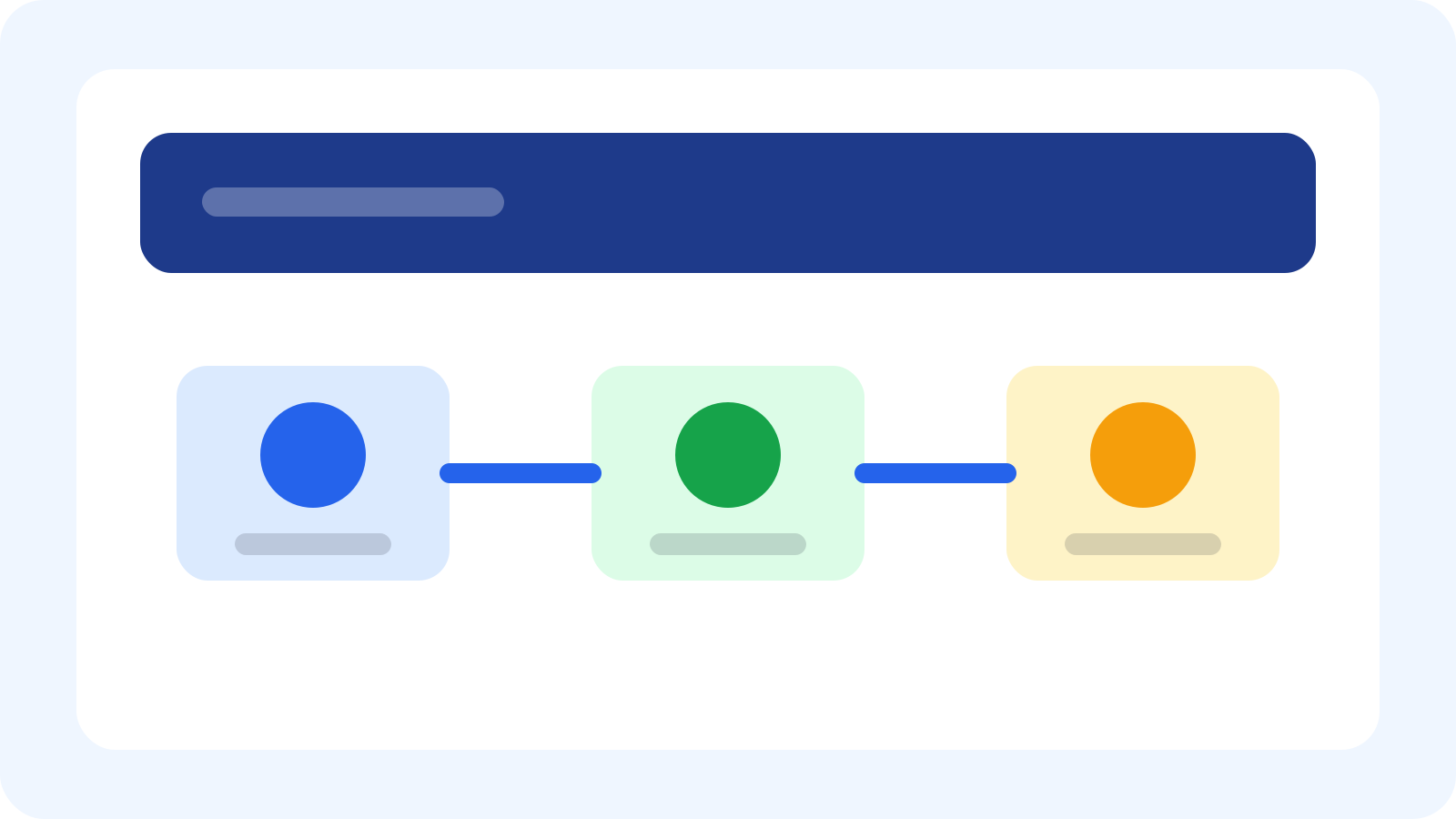
Packages need rhythm more than rigidity
A package gives the client structure, but it does not mean every session needs to be locked immediately. When all future dates are fixed too early, one change can disturb several weeks of planning.
A better approach is to define a rhythm: weekly, every two weeks, or after a specific practice period. Then schedule the next one or two sessions with enough visibility to keep momentum.
Separate commitment from exact dates
The client can commit to a package while the trainer keeps some calendar flexibility. This is especially useful when travel zones, school holidays, weather, or client progress can influence the next best appointment.
The key is to communicate the scheduling rhythm clearly so the package feels structured rather than vague.
- Confirm the package goal and expected rhythm.
- Book the first sessions immediately.
- Review the next dates after each visit or every two visits.
- Keep a small amount of capacity for follow-up clients each week.
Use follow-up windows
Instead of promising a precise day too early, define a follow-up window. For example, the next session should happen between seven and ten days after the first visit, or during the next calm route in the client area.
This keeps the training plan serious while preserving the ability to build a sensible route.
Make progress visible
Packages work best when clients understand where they are in the plan. A simple reminder of session count, next objective, and preparation notes can make the process feel more professional.
The calendar then becomes more than a list of appointments. It becomes the visible structure of the client journey.