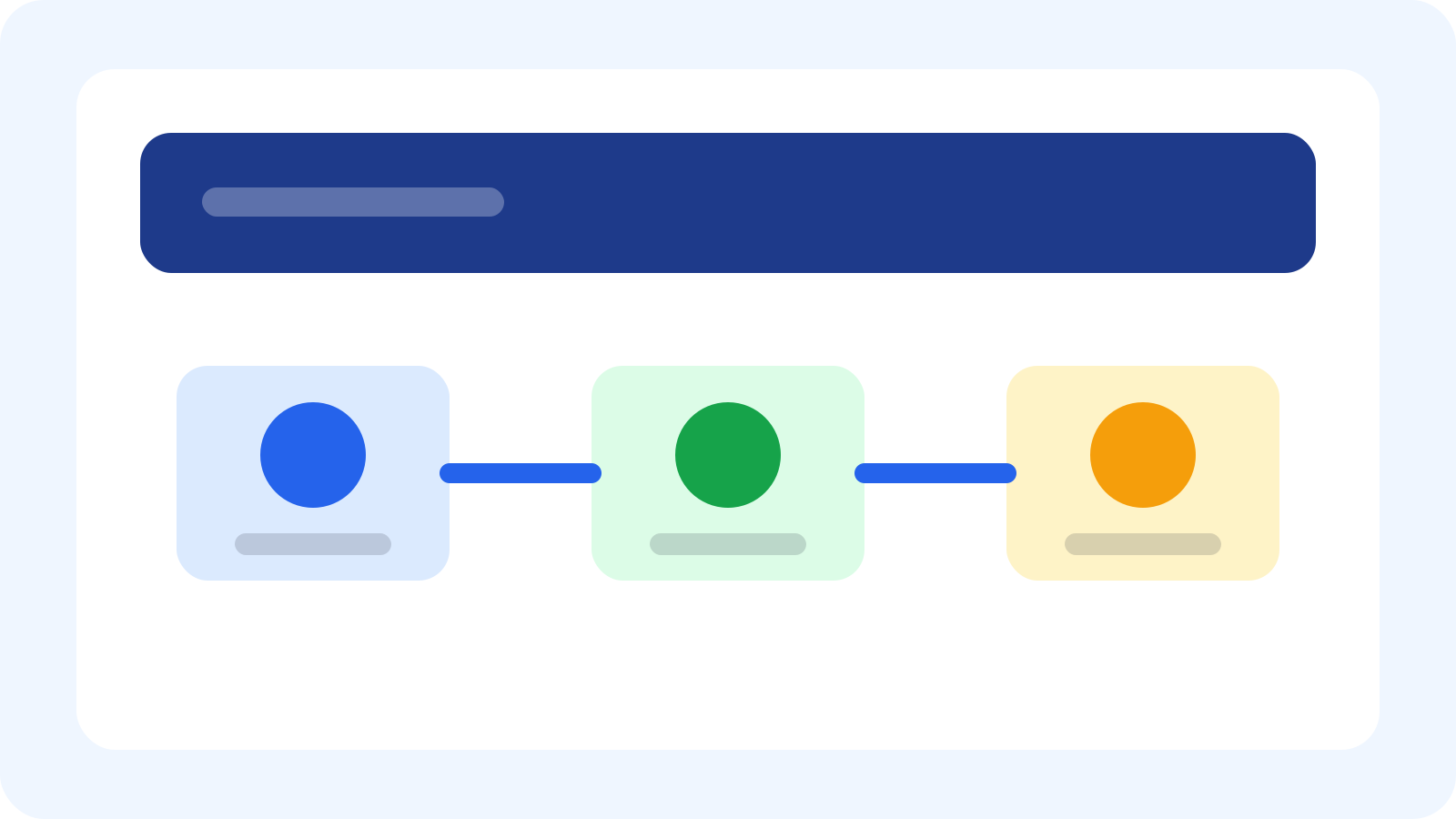
Self-booking is strongest when the decision is simple
Many clients are perfectly happy to book without calling or messaging first. If they know the service they need, understand the location, and can choose from a small set of good options, self-booking removes friction for everyone.
The mistake is to make self-booking look like a huge calendar with every possible slot. A clear shortlist usually performs better: it lowers hesitation and gently guides the client toward times that also make sense for your route.
Book for the client when context changes the answer
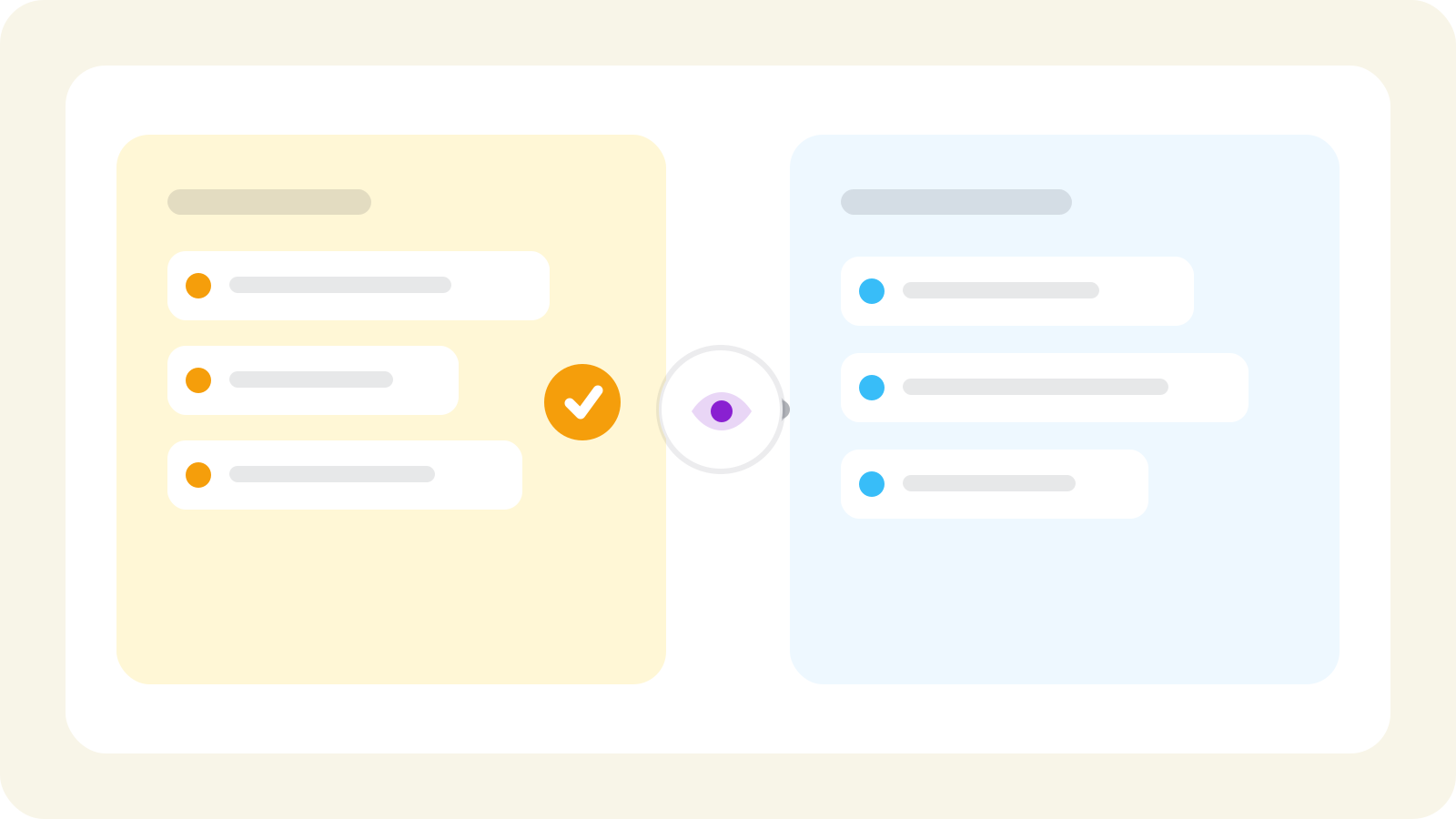
Some bookings need more judgment. A first session with a reactive dog, a family with unusual constraints, a follow-up after a difficult appointment, or a client who is not comfortable with digital tools may need a more guided path.
In those cases, booking on behalf of the client is not a step backward. It is a service gesture. The important part is that the booking still lands in the same system, with the same confirmations, reminders, and calendar visibility.
- Use self-booking for repeat clients and straightforward services.
- Use trainer-assisted booking for sensitive first sessions or complex travel choices.
- Keep the notification flow identical so the client receives the same confirmation either way.
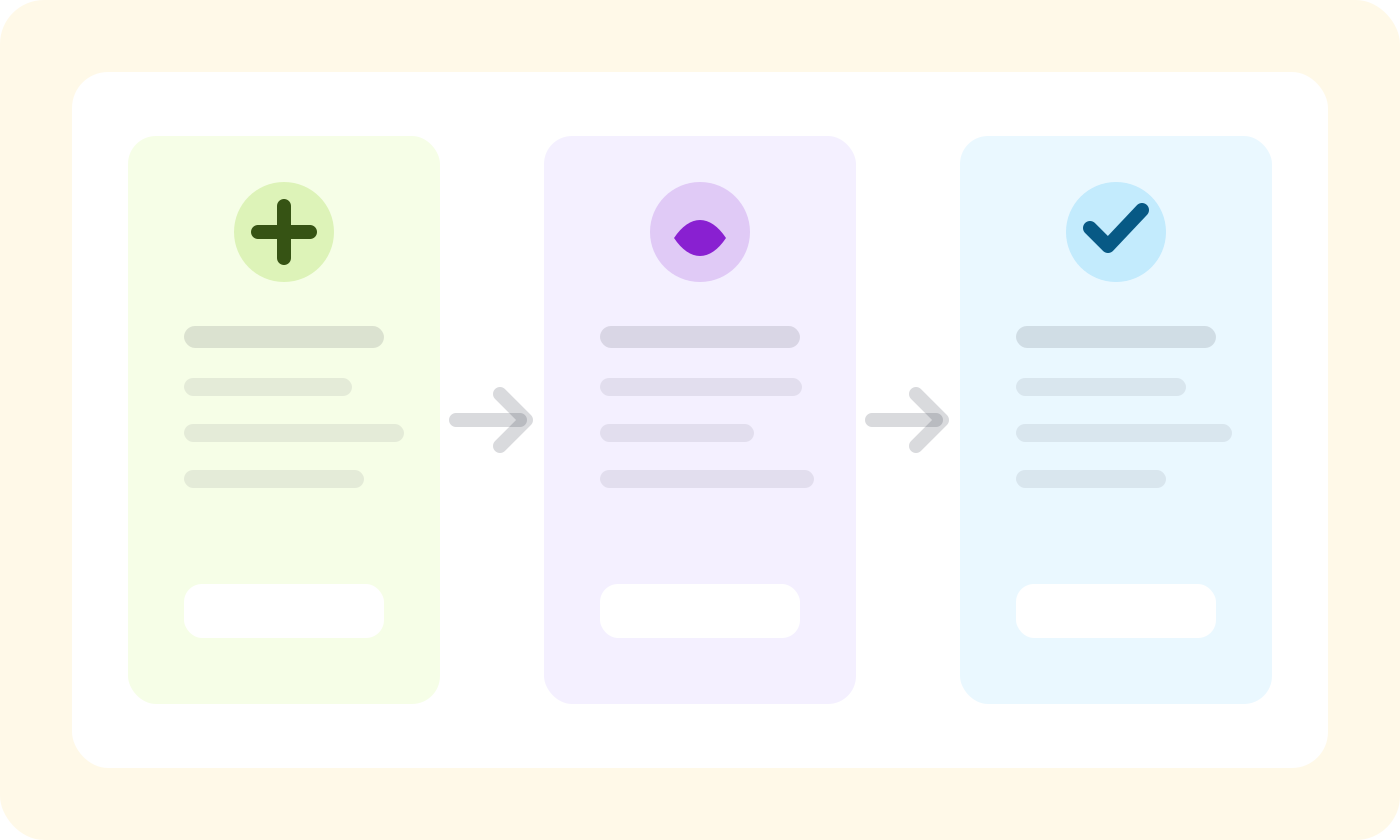
The handoff should feel invisible
A client should not have to understand whether a booking was created by them or by you. What matters is that the time, service, address, and next steps are clear.
That means the trainer-assisted path should reuse the same booking rules as the client path. Same buffers, same availability logic, same email tone. The admin shortcut should not create a separate reality.
A mixed model gives you better control
The most sustainable setup is rarely fully manual or fully automated. Let clients handle the obvious bookings, then step in when your expertise genuinely improves the choice.
This protects your time without making the experience cold. It also helps you keep the calendar cleaner, because every booking still passes through the same operational frame.