
A full calendar is not always helpful
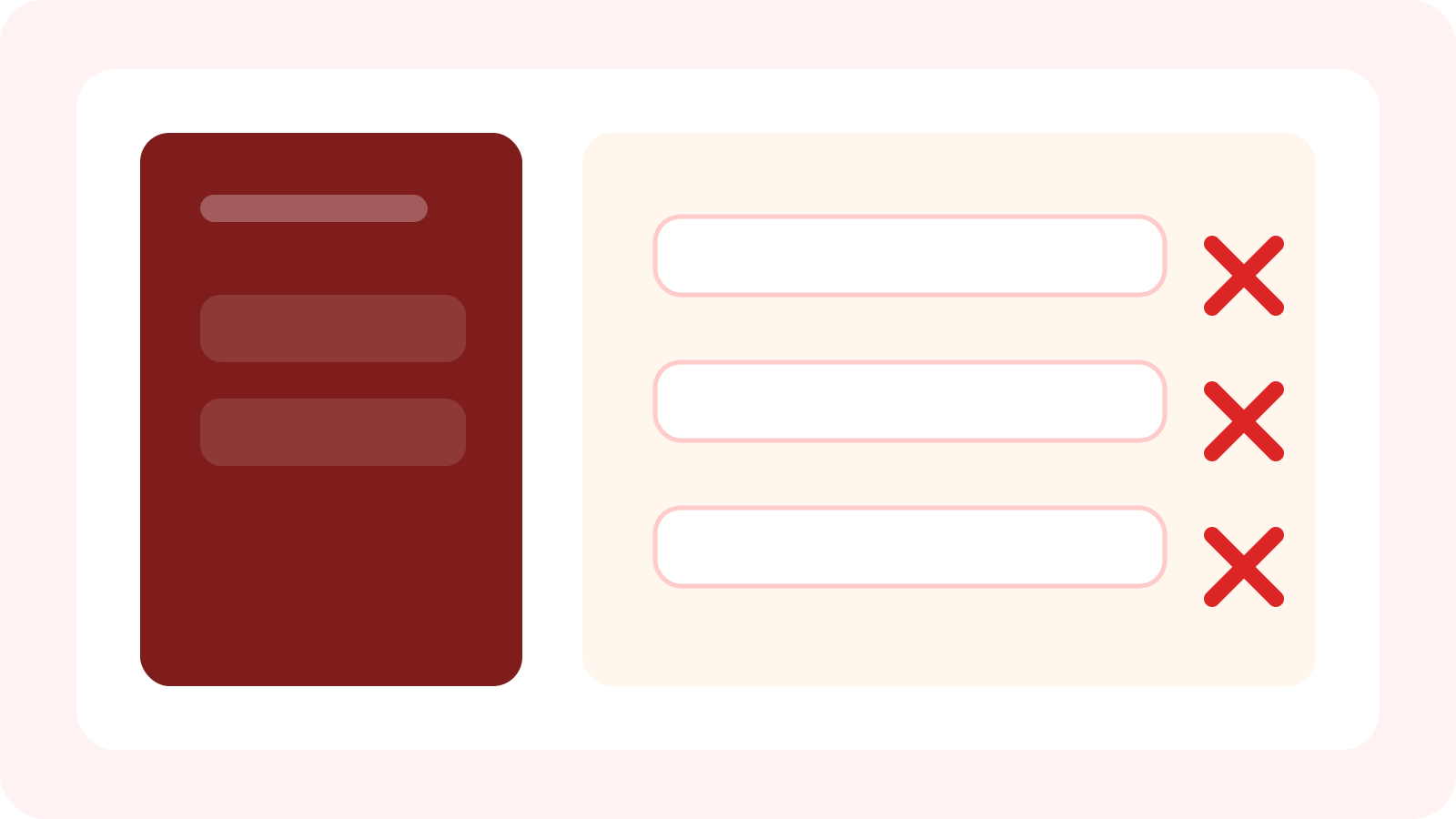
When clients see too many possible times, they often hesitate. They compare options, wonder which one is best, and may leave the booking flow to ask a question that could have been avoided.
For trainers, the cost is also operational. A client may choose a technically available slot that creates a long detour, splits the day, or blocks a better cluster later.
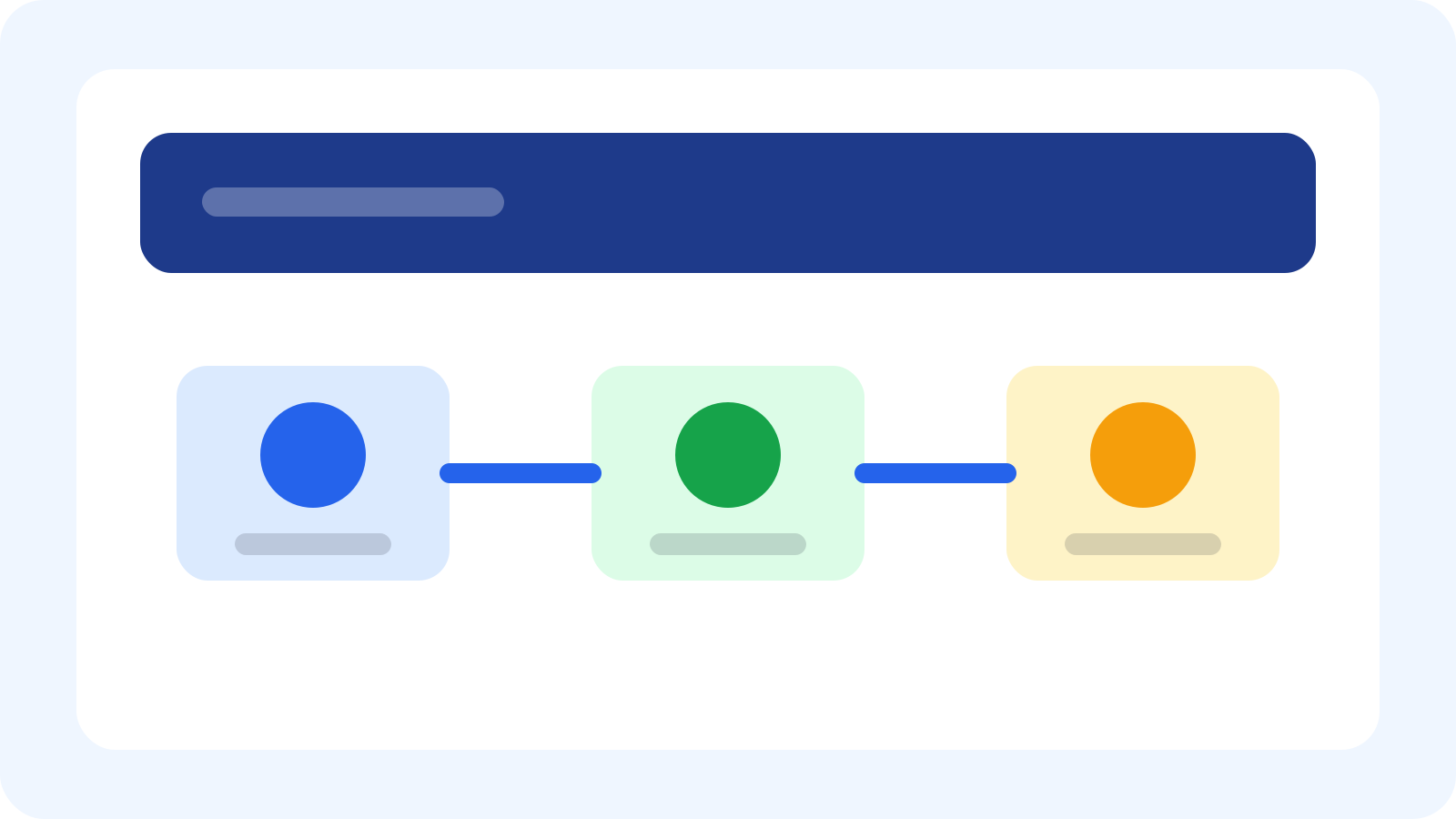
A shortlist turns availability into guidance
The goal is not to hide availability. The goal is to present the options that are genuinely good for both sides. A shortlist can still offer choice while removing the weakest possibilities.
Three to five strong slots are often enough. They give the client autonomy, but they also communicate that the proposed times have been chosen with care.
- Lead with slots near existing visits.
- Avoid isolated gaps that are hard to reuse.
- Keep at least one option outside peak demand when possible.
Explain less, structure more
Clients do not need a lesson in route optimization. They need a booking page that feels obvious. If the best slots are visually clear, there is less pressure on the trainer to justify every constraint.
This is where the interface matters. Good booking design quietly turns business rules into a calm decision instead of a negotiation.
Keep manual override for sensitive cases
Some clients need a special arrangement: a first visit, a difficult situation, a family schedule, or a location that requires judgment. A shortlist should not remove the trainer from the process.
The strongest setup combines guided self-booking with the ability to step in. Routine bookings stay fast, and complex bookings still get a human decision.